


What aspects of your cultural heritage are you most proud of or interested in?
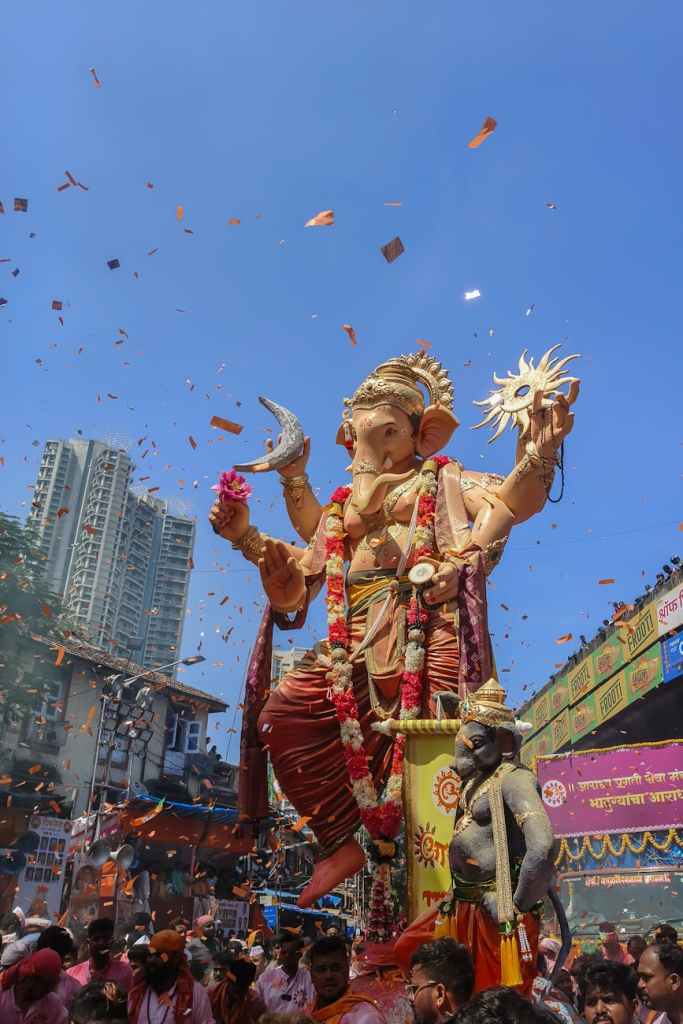
Cultural heritage refers to the legacy of physical artifacts (tangible) and intangible attributes of a group or society inherited from past generations. It includes monuments, buildings, works of art, books, and landscapes (tangible heritage), as well as traditions, languages, rituals, knowledge, and practices (intangible heritage) that are preserved and passed down through time.
Types of Cultural Heritage:
1. Tangible Cultural Heritage:
Movable: Paintings, sculptures, coins, manuscripts.
Immovable: Monuments, archaeological sites, buildings.
Underwater: Shipwrecks, underwater ruins.
2. Intangible Cultural Heritage:
Oral Traditions: Storytelling, languages, folklore.
Performing Arts: Music, dance, theater.
Rituals and Traditions: Religious practices, festivals, social customs.
Knowledge: Skills related to crafts, agriculture, or medicine.
Oldest Cultural Heritage Existing Today:
Several ancient cultural heritages still exist in some form today:
1. Indus Valley Civilization (Harappan Civilization) (circa 3300–1300 BCE):
Located in modern-day India and Pakistan, it is one of the world’s oldest civilizations, with impressive city planning, pottery, and script.
Cultural Continuity: Some traditions, pottery styles, and urban planning concepts are thought to have influenced later South Asian societies.
2. Ancient Egyptian Civilization (circa 3150 BCE – 30 BCE):
Known for its pyramids, temples, hieroglyphic writing, and mummification practices.
Cultural Continuity: Some religious and architectural elements, as well as the reverence for pharaohs, have influenced Egyptian culture throughout history.
3. Sumerian Culture in Mesopotamia (circa 4500–1900 BCE):
One of the earliest writing systems (cuneiform), ziggurats, and early legal codes (Code of Ur-Nammu).
Cultural Continuity: Some linguistic and cultural traditions have influenced later Middle Eastern civilizations.
4. Aboriginal Australian Culture (at least 65,000 years old):
Indigenous Australians have a continuous, ancient culture that includes rich traditions of storytelling, art (rock painting), dance, and spiritual connections to the land.
Cultural Continuity: Many Aboriginal traditions, songs, and practices are still alive today.
5. Chinese Civilization (since 2nd millennium BCE):
Known for its ancient philosophy (Confucianism, Daoism), calligraphy, and inventions such as papermaking and gunpowder.
Cultural Continuity: Much of Chinese language, philosophy, and customs remain central to modern Chinese society.
6. Indigenous Cultures in North and South America:
Mayan, Aztec, and Inca civilizations left behind temples, written languages, and agricultural knowledge that influence present-day indigenous cultures.
These cultures have shaped human history and left a lasting impact on the world. Many aspects of these civilizations’ beliefs, rituals, or practices are still preserved or revived today, making them some of the oldest heritages that continue to influence modern societies.
 JumpSoftware
Leave a comment