


What historical event fascinates you the most?
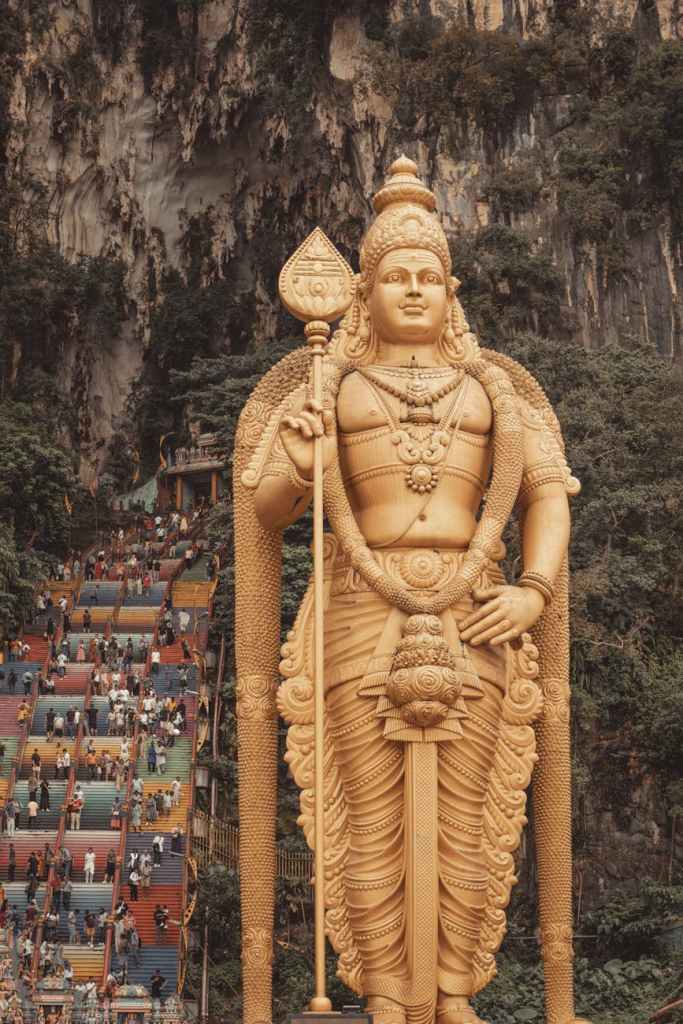
The migration of Tamils from Sri Lanka to Malaysia can be traced back to various waves and contexts, often intertwined with colonial, economic, and social factors. Here’s a look at the main historical outline and significant moments of Sri Lankan Tamil migration to Malaysia and the evolution of their identity.
Early Tamil Migration Patterns (pre-1200s)
South Indian Influence: Tamil influence in Southeast Asia, including Malaysia, dates back well before the 13th century, due to Tamil traders from the Chola Empire who had strong maritime connections across Southeast Asia.
Sri Lanka’s Early Tamil Kingdoms:
In Sri Lanka, Tamils had a significant presence, especially in the northern and eastern regions, and were connected culturally and linguistically with South India. Some movement occurred between these areas, but it was limited and mostly based on trade and religious pilgrimages.
Colonial Era and Plantation Labor (19th Century)
British Colonial Influence:
The British colonial rulers brought large numbers of Tamils from both India and Sri Lanka to Malaysia (then Malaya) as laborers, especially on rubber plantations, starting from the early 19th century. These laborers included both Indian Tamils (from Tamil Nadu) and Sri Lankan Tamils (known as “Ceylon Tamils” during the colonial period).
Plantation Life and Social Identity:
Tamils were primarily brought as indentured laborers, and the hard conditions on plantations forged a collective identity, often blurring the distinction between Indian and Sri Lankan Tamils.
Formation of a Unified Tamil Identity (Early 20th Century)
Mixed Tamil Communities:
By the early 20th century, the distinctions between Sri Lankan Tamils and Indian Tamils started to blend as they shared similar socio-economic conditions and cultural practices. Schools, temples, and cultural organizations began to serve the entire Tamil-speaking population, promoting a sense of unity.
Development of Tamil Schools and Organizations:
Cultural and educational organizations helped foster a shared Tamil identity. These institutions played a crucial role in preserving the Tamil language, culture, and Hindu traditions, which contributed to the gradual merging of identities.
Post-Colonial Migration and Political Movements (1950s–1970s)
Post-Independence Immigration Patterns: After Malaya gained independence in 1957, stricter immigration policies reduced new migrations. However, some Tamils, including those from Sri Lanka, continued to arrive due to familial ties or professional reasons.
Political Awareness and Rights Movement:
In post-colonial Malaysia, Tamils faced issues such as citizenship challenges, lack of representation, and economic disparities. Tamils from both Indian and Sri Lankan origins began to unite under common causes, working together to demand better rights and opportunities.
Gradual Merging into “Indian Tamil” Identity: Over time, the socio-political environment of Malaysia led many Sri Lankan Tamils to identify under the broader category of “Indian Tamil.” This was partly due to official ethnic categorization and partly a pragmatic alignment with the larger Tamil community for collective bargaining power and social solidarity.
Contemporary Identity and Challenges
Distinctions within the Tamil Community: Despite the shared Tamil identity, certain distinctions remain between Sri Lankan Tamils and Indian Tamils, especially in terms of dialect, cuisine, and religious practices. However, these distinctions are less pronounced among younger generations.
Cultural Preservation: Tamil associations and institutions continue to celebrate both shared and distinct aspects of Tamil culture. Annual festivals, Tamil-language media, and community events help maintain this identity, blending elements from both Indian and Sri Lankan Tamil heritage.
Summary of Historical Events and Key Moments
Early Trade and Influence (pre-1200s): Tamil influence in Southeast Asia, largely through trade.
British Colonization and Plantation Labor (19th Century): Large-scale migration of both Indian and Sri Lankan Tamils to Malaya.
Social and Cultural Integration (early 20th Century):
Creation of schools, temples, and organizations to support Tamil culture and unity.
Post-Independence Period (1950s-1970s): Political collaboration and the development of a unified Tamil identity in Malaysia.
Modern Day: Distinctions remain in certain cultural aspects, but a largely unified Indian Tamil identity has emerged.
Conclusion
The Sri Lankan Tamil identity in Malaysia gradually merged into a broader Tamil identity due to colonial migration patterns, socio-economic circumstances, and the unifying pressures of post-colonial Malaysian politics. While unique aspects of Sri Lankan Tamil heritage remain, these have largely blended with the Indian Tamil community, creating a hybrid Tamil identity in Malaysia.
 JumpSoftware
Leave a comment