


What are your two favorite things to wear?
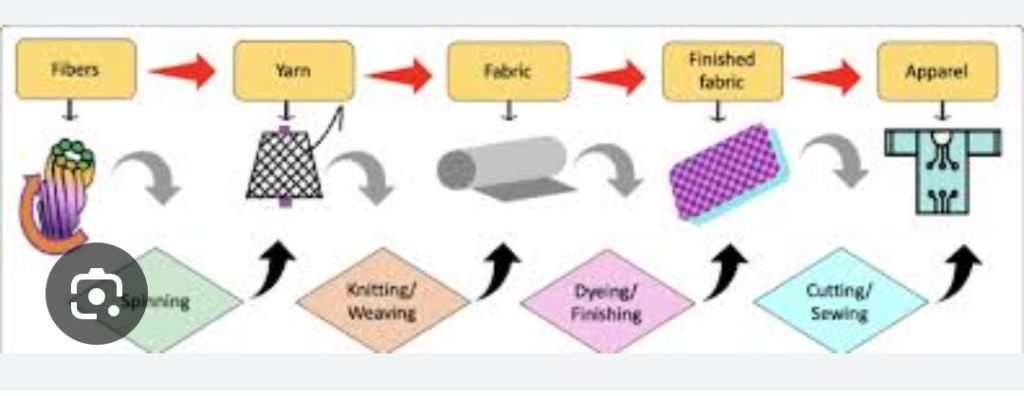
From its humble beginnings to its modern complexities, clothing has undergone a fascinating evolution, intertwined with both human needs and environmental challenges.
Cotton, with its breathable and sweat-absorbing qualities, became a staple for those in tropical climates. However, its tendency to shrink and tear after repeated washes revealed its limitations. Silk, on the other hand, captured hearts with its softness and luxurious appeal but, like cotton, was not immune to wear and tear. These natural fabrics, while beautiful, demonstrated the impermanence of all things.
In response to natural fabrics’ limitations, the textile industry introduced synthetic blends such as poly-cotton and poly-rayon. These materials, derived from plastics, promised durability and resistance to shrinkage but came with hidden costs—both to personal comfort and the environment. In hot climates, these fabrics often trap sweat, creating discomfort and irritation, a stark contrast to the breathable nature of pure cotton.
As clothing evolved, so did our tendency to discard it. Mountains of textile waste, or “landmines,” now plague the planet, posing significant environmental risks. The convenience of fast fashion has led to a culture of overconsumption and neglect, with Mother Earth bearing the brunt of our carelessness.
Recognizing the environmental toll, industries have begun exploring solutions. Recycling unwanted clothes by breaking down fabrics, stripping colors, and repurposing materials is becoming a viable way to reduce waste. This process not only helps clear landfills but also creates opportunities to produce affordable and sustainable clothing, proving that profitability and environmental responsibility can coexist.
Ultimately, the responsibility lies with us as consumers. Every choice we make—whether to buy, wear, or discard clothing—has a ripple effect on the planet. It’s a reminder that Mother Earth, though resilient, has limits, and our actions today shape the world we leave for future generations.
 JumpSoftware
Leave a comment