


Do you ever see wild animals?
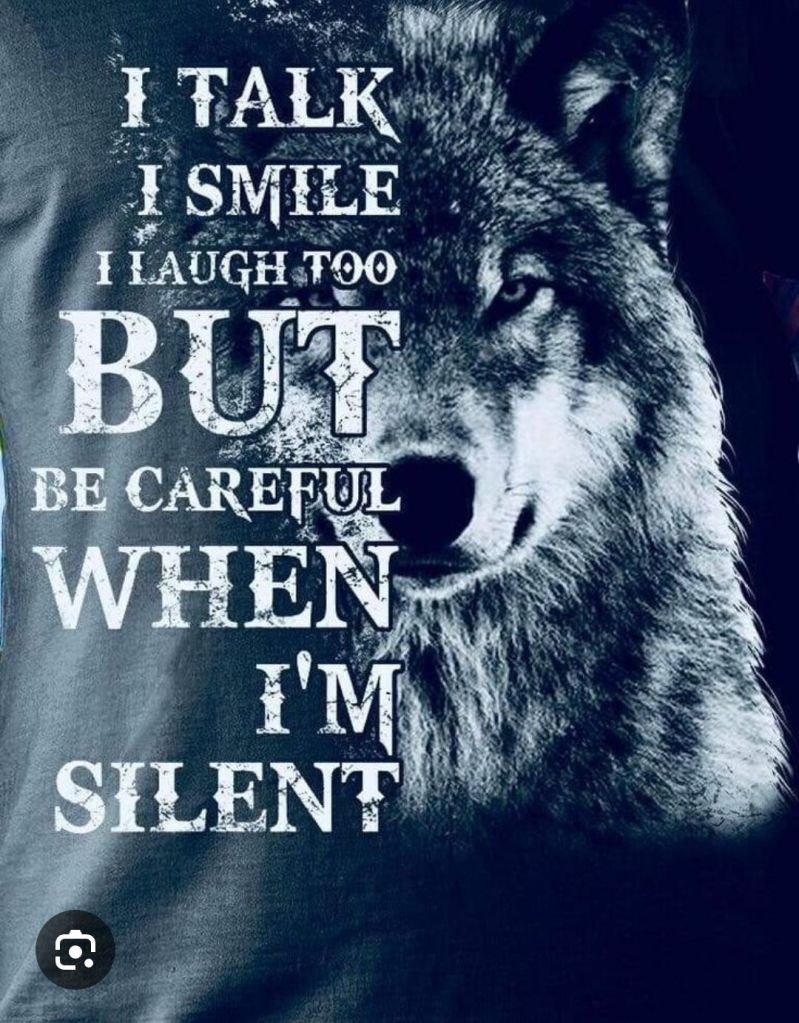
The words of the bad wolf still glorified the words used in this caption above. In a mystical realm where wolves symbolize the duality of human nature, two wolves—polar opposites—shape a tale of ambition, resilience, and the ultimate cost of unchecked darkness.
The Bad Wolf is a chilling embodiment of unchecked ambition and the darkness that festers when one surrenders to envy and revenge. On the surface, he is the picture of success—an admired figure dressed in fine clothing, commanding respect with his five-figure paycheck and a charming demeanor that masks the rot beneath. Yet, behind this polished façade lies a predator consumed by past grievances and a relentless need to dominate.
Driven by insecurities, the Bad Wolf exploits black magic, wielding it as both a weapon and a shield. He delves into forbidden arts, summoning locusts and crickets as instruments of chaos to unravel the lives of those he deems enemies. His methods are insidious—spying on his victims, manipulating their minds, and planting seeds of destruction through unseen forces. Even years after severing ties with his adversaries, he lurks in the shadows, unable to let go, his obsession poisoning his existence.
The Bad Wolf thrives on the fear and misery of others, feeding his ego on the devastation he leaves behind. He crafts illusions of grandeur to justify his actions, believing himself untouchable under the guise of being a “good son” or a respected figure. But his relentless pursuit of power comes at a cost. As he delves deeper into the abyss, he isolates himself, alienating even those who once admired him.
His greatest victim is the White Wolf, a spiritual counterpart who embodies resilience and forgiveness. Though the Bad Wolf targets the White Wolf with his dark magic, he cannot break its spirit. The White Wolf stands as a mirror to the Bad Wolf’s failures—a reminder that light cannot be snuffed out by darkness.
Yet, the Bad Wolf cannot see the lessons in his downfall. Consumed by paranoia, he descends into self-destruction, his web of deceit collapsing under the weight of its own lies. His quest for dominance leaves him empty, a hollow figure trapped in the very illusions he created.
The Bad Wolf’s tale is a cautionary reminder of the dangers of feeding one’s darker instincts. It asks a sobering question: What remains when ambition turns into obsession, and power becomes a prison?
 JumpSoftware
Leave a comment