


Who are the biggest influences in your life?
In a world dominated by digital screens, one name rose above the endless chatter: Orion Steele. Unlike the countless influencers who banked on fleeting trends, Orion was different. A storyteller at heart, he didn’t just sell products or preach lifestyles; he crafted worlds and movements that people wanted to be part of.
Born in a small town in 2020, Orion grew up amidst the chaos of a connected but divided world. His early years were shaped by the constant hum of technology, but his childhood was paradoxically analog—filled with books, imagination, and deep conversations. He often said, “Technology isn’t the enemy; it’s the way we use it that defines us.”At 19, he uploaded his first video: a 3-minute monologue about the power of silence in a noisy world. The video was raw, unedited, and filmed in his dimly lit bedroom. Yet, it struck a chord. Within a week, it had 2 million views. People were hungry for authenticity, and Orion delivered it effortlessly.
At 19, he uploaded his first video: a 3 minute monologue about the power of silence in a noisy world. The video was raw, unedited, and filmed in his dimly lit bedroom. Yet, it struck a chord. Within a week, it had 2 million views. People were hungry for authenticity, and Orion delivered it effortlessly.
Orion’s content wasn’t confined to a single niche. He was a philosopher, a tech enthusiast, a mental health advocate, and an environmentalist. Each video felt like an intimate conversation, tackling issues like overconsumption, digital burnout, and the beauty of a slower life.
Instead of using flashy visuals, he used his voice—calm, resonant, and laden with meaning. Brands approached him, but he only collaborated with those whose values aligned with his own. “It’s not about the paycheck,” he said in an interview. “It’s about the legacy.”
Soon, his influence extended beyond social media. He launched an app, “Horizon,” which encouraged mindful digital habits. The app became a global phenomenon, helping millions reduce screen time and reconnect with the world around them.
Orion’s impact wasn’t just online. His followers—known as “Seekers”—formed communities worldwide, engaging in acts of kindness, environmental cleanups, and local activism. His motto, “Be the ripple, not the wave,” became a mantra for change.
Governments invited him to speak about youth empowerment. He turned down political endorsements, saying, “Real power lies in the hands of people, not institutions.”
But the path of influence isn’t without shadows. At the peak of his fame, an old tweet surfaced, taken out of context, sparking a wave of cancel culture. For weeks, he remained silent, retreating from the public eye. Critics thought his era was over.
Then, he returned—not with an apology video, but a live conversation. He invited experts, critics, and fans to dissect the issue openly. It was a masterclass in accountability and transparency. “We all stumble,” he said, “but the true test is how we rise.”
The incident, rather than diminishing his influence, solidified it. People admired his courage to face criticism head-on.
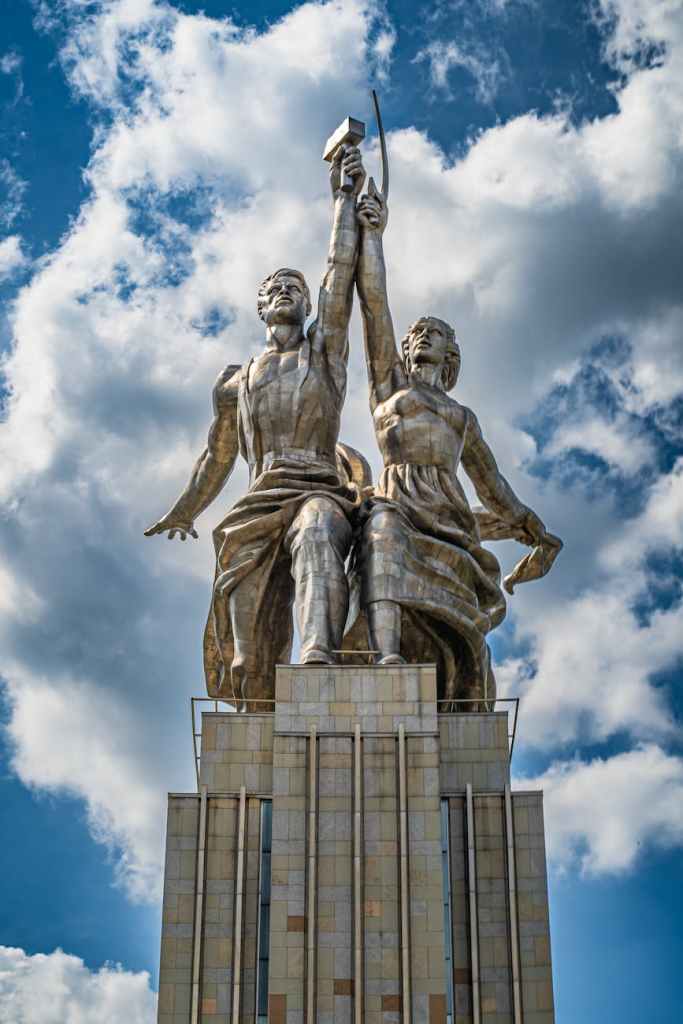
By 2040, Orion Steele wasn’t just an influencer; he was a cultural icon. His work inspired a generation to rethink the way they live, consume, and connect. Statues of him adorned public parks, not for his fame but for the values he represented.
When asked about his success, he simply said, “I’m not the biggest influencer. You are. Every decision you make influences the world around you. Remember that.”
And so, his story wasn’t just about one man—it was about everyone he inspired to be better.
 JumpSoftware
Leave a comment