


What is your favorite animal?
Arjuna did not ask why he was there.
He already knew.
The forest was intact enough to be called a forest, yet empty enough to feel unfinished. The kind of silence that follows departure, not peace. He walked beside Krishna without weapons, without questions—only awareness.
“This land once held many lives,” Arjuna said finally.
Krishna nodded.
“And it still does.
But fewer voices now carry the burden of balance.”
They stopped where the ground was uneven, scarred by old paths.
The Weight That No Longer Walks
Krishna pointed to the softened earth.
“The Sumatran rhinoceros lived here. It shaped this land simply by existing. Without intention, it created order.”
Arjuna reflected on the irony—
a being without plans sustaining life,
while planners dismantled it.
“Did it fail?” Arjuna asked.
Krishna replied:
“No. It fulfilled its nature.
It is humans who abandoned theirs.”
The rhino disappeared not from weakness, but from excessive certainty—the belief that land could be rearranged endlessly without consequence.
When Retreat Is No Longer Choice
They reached wetlands where water stagnated unnaturally.
“The Javan rhinoceros retreated here,” Krishna said.
“It avoided conflict. It adapted.”
“But adaptation has limits,” Arjuna said quietly.
Krishna looked at him.
“When every direction is withdrawal,
extinction becomes a conclusion, not a decision.”
Silence followed—a silence that felt earned.
The Predator as Balance
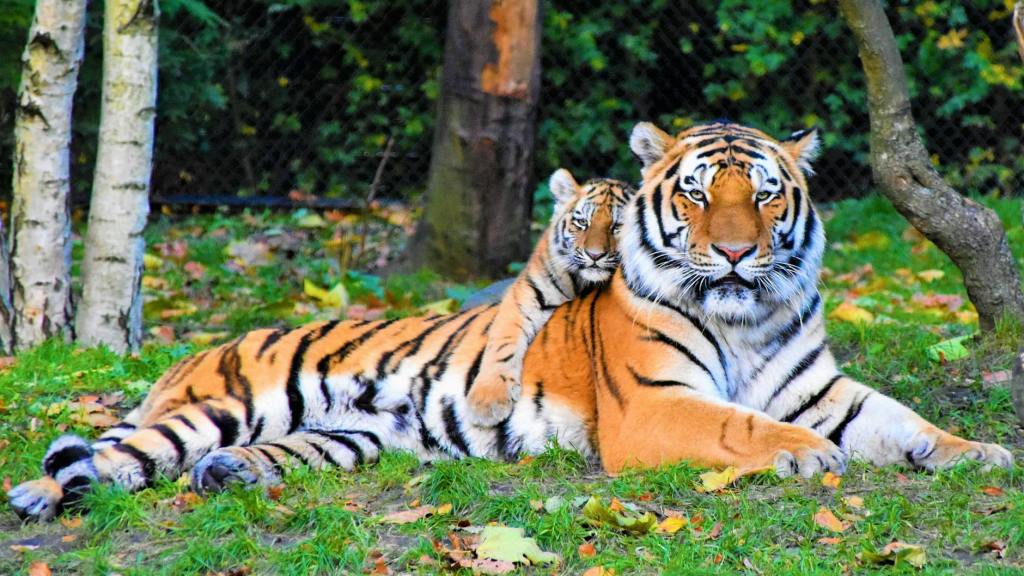
Further in, the forest tightened. Arjuna felt the unease of being observed.
“The tiger remains,” Krishna said.
“But it survives on borrowed time.”
Arjuna understood what that meant. A predator is not excess—it is regulation.
“When the tiger vanishes,” Krishna continued,
“prey overgrazes, forests thin, rivers suffer.
Balance is not moral—it is structural.”
Humans often mistake dominance for control.
Rivers That Still Flow but Do Not Remember
At the riverbank, Krishna knelt.
“This river once held beings older than memory,” he said.
“The giant freshwater stingray lived here.”
Arjuna watched the water move, uniform and constrained.
“When movement is controlled,
life withdraws quietly.”
The river still functioned.
It no longer taught.
Time Without Witnesses
Night approached, but no birds announced it.
“Birds once measured time,” Krishna said.
“They were clocks without numbers.”
Arjuna thought of modern time—alarms, deadlines, acceleration.
“Without witnesses,” Krishna added,
“time becomes pressure instead of rhythm.”
Responsibility Without Drama
Arjuna finally asked, “Is this loss irreversible?”
Krishna answered without comfort or despair.
“Nothing is irreversible.
But restoration demands restraint.”
“You are entitled to action,
not entitlement.”
There was no promise of redemption—only work.
The Teaching That Remains
As they turned back, Krishna spoke one last time:
“Extinction is not nature’s cruelty.
It is humanity’s mirror.”
“Act without arrogance.
Protect without possession.
Remember without nostalgia.”
The forest remained incomplete.
So did humanity.
And that, Krishna implied,
was where responsibility begins.
 JumpSoftware
Leave a comment