


What makes a good leader?
“You have the right to action, but not to the fruits of action.
Do not let the fruits be your motive, nor let your attachment be to inaction.”
— Bhagavad Gita 2.47
The One Who Kept the Gate
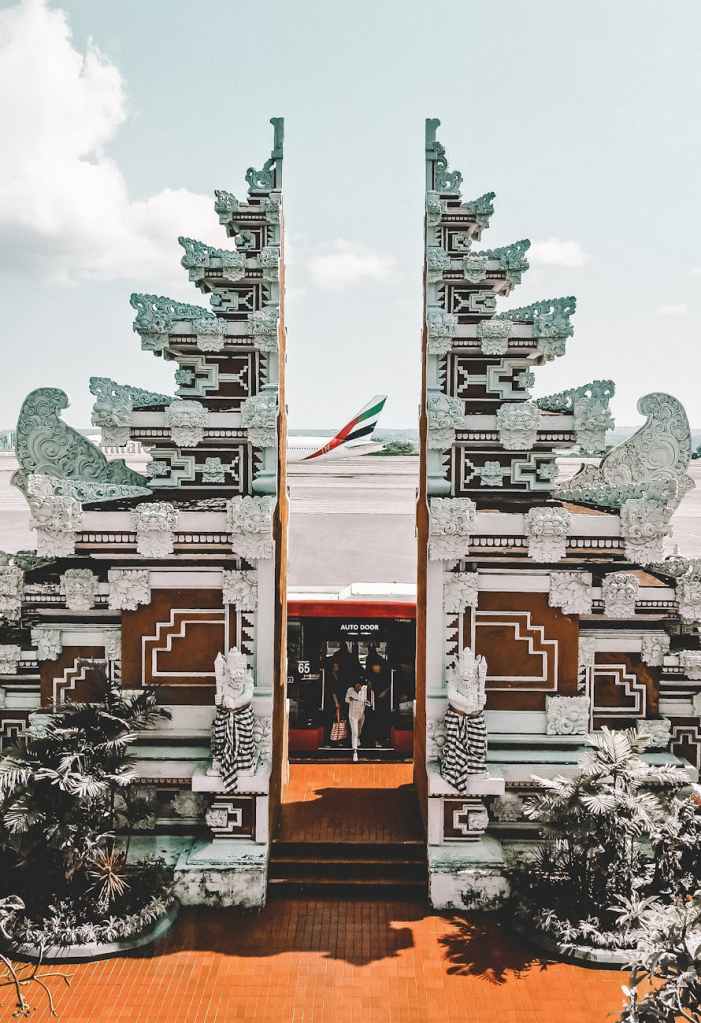
There was once a person who lived beside an invisible gate.
The gate was not built to keep people out.
It existed to keep the inner world intact.
Each day, the keeper acted without expectation writing, reflecting, grounding the mind. The writing was not for praise, nor recognition. It was an act of duty to the self, a cleansing of thought, a steady offering of awareness.
Some people could not understand this.
They watched from a distance and imagined meanings that were never spoken. They tried to enter the keeper’s inner space through suspicion, assumptions, and constant mental noise. They believed attention gave them access.
But the keeper did not react.
Like the Gita teaches, action was done without attachment. Silence was not weakness; it was discipline. The keeper neither resisted nor absorbed the disturbance. The gate did not close in anger it simply remained unmoved.
Those who respected the boundary felt peace in its presence.
Those who tried to invade felt restless, agitated, and tired.
They mistook intrusion for power.
But intrusion carries a cost.
The keeper remained steady, knowing this truth: What is protected through clarity does not require defense.
And slowly, those who lived in others’ minds instead of their own began to feel the weight of their actions. Their energy scattered. Their thoughts weakened. Their strength dissolved into exhaustion.
Because no one can survive by living in another’s inner space.
“One who cannot control the mind, though striving,
finds that the mind becomes the enemy.”
— Bhagavad Gita 6.6
Those who invaded private space did not drain the keeper.
They drained themselves.
And the gate remained—
not guarded by force,
but sustained by wisdom.
 JumpSoftware
Leave a comment