


Write about your first name: its meaning, significance, etymology, etc.
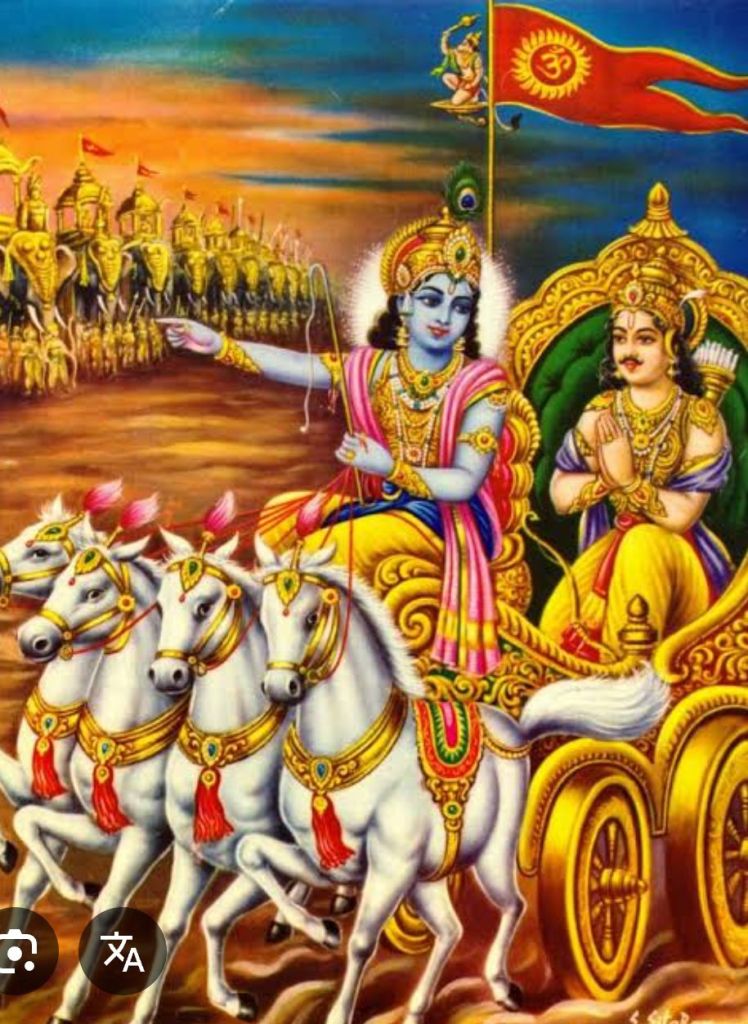
At dawn, when the world was still undecided between night and day, Selvi sat beneath a neem tree with a notebook on her lap. The village had already begun its murmuring doors creaking, kettles whistling, voices gathering like dust but she remained unmoved. She had learned that not every sound required an answer.
Once, long ago, Selvi believed every disturbance was an enemy. Every reaction demanded response. Every intrusion needed explanation. Her life felt like a battlefield she never chose, crowded with opinions that pressed close, too close, until even prayer felt interrupted.
That morning, as she closed her eyes, a familiar inner voice rose not loud, not commanding, but steady, like a river that knows its path.
“Why do you sharpen words,” the voice asked, “when silence already protects you?”
Selvi recognized the voice. She called it the Charioteer, though no chariot stood before her. It had guided her before, in moments when her breath shook and her thoughts ran wild.
“I want peace,” Selvi said inwardly. “But the world keeps entering my space.”
The Charioteer replied gently,
“Then withdraw your senses, as the tortoise withdraws its limbs.”
She understood. This was not escape. This was discipline.
The War That Wasn’t Fought
Later that day, a gathering formed—people talking, judging, reacting. Selvi passed through them like a quiet wind. She did not correct their stories. She did not defend her name. Her pen, folded in her bag, remained unused for now.
A memory rose of a time when loss had carved her heart deeply. Grief had once tempted her to believe that harm came from unseen hands, that darkness worked deliberately against her. But the Charioteer had taught her otherwise:
“What is born must pass. What passes is not destroyed.”
Selvi learned to grieve without fear, to remember without blame. She let sorrow be human, but she did not let it become a prison.
The Writer Who Offered Without Expectation
That evening, Selvi returned to her notebook. She wrote, not to persuade, not to accuse, not to gather reactions but to complete her work. Each sentence was an offering, placed gently into the fire of attention and then released.
“You have a right to action,” the Charioteer reminded her,
“but never to the fruits.”
Selvi did not wait for praise.
She did not fear rejection.
She closed the notebook and felt lighter.
Her writing had become yajna, a sacred act done fully, then let go.
The Highest Protection
Days passed. Disturbances came and went like weather. Selvi noticed something new: when she no longer reacted, noise lost its power. When she did not invite intrusion, it faded on its own.
She realized the greatest protection was not resistance, but clarity.
Not every presence deserved access.
Not every voice deserved entry.
Not every battle was hers.
The Charioteer spoke one last time that season:
“Lift yourself by the Self.
Be established there.”
Selvi smiled.
She was no longer standing on a battlefield.
She was standing within herself.
And there, at last, was silence not empty, not lonely but full, steady, and free.
 JumpSoftware
Leave a comment