


What animals make the best/worst pets?
“One who sees the Divine in all beings, and all beings in the Divine, never loses sight of Truth, nor does Truth lose sight of them.” — Bhagavad Gita
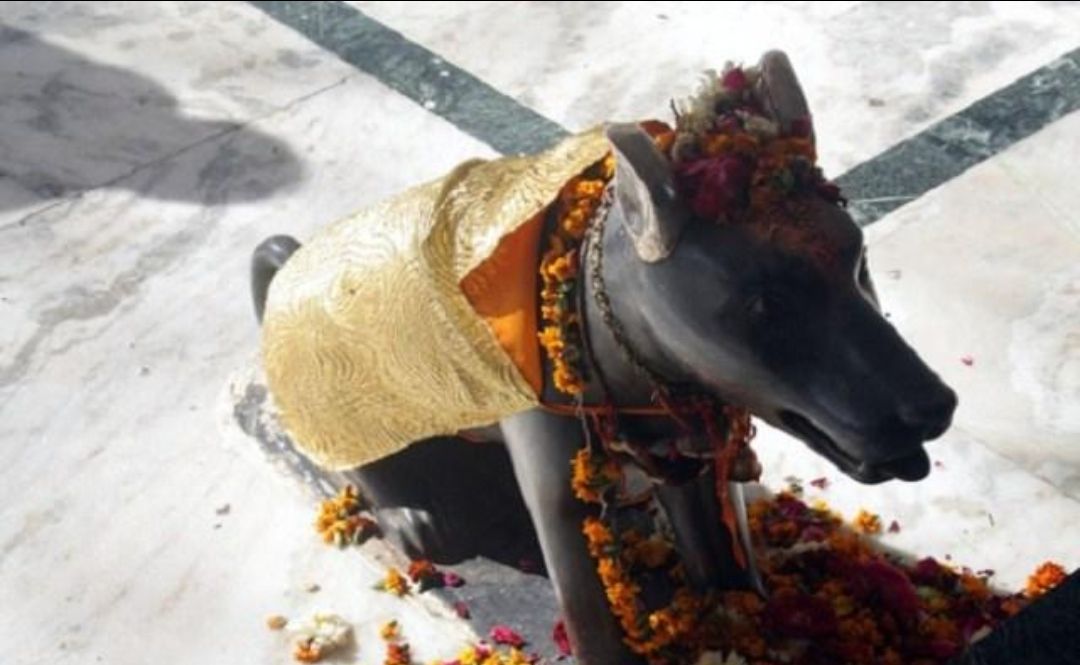
In the quiet corners of temple grounds, where incense smoke rises and bells echo softly, the dog sits.Not restless. Not demanding. Just present.
Like the sacred companion of Kala Bhairava, the dog does not speak scriptures, yet it lives them. It does not question devotion, yet it guards it.
While humans wander into thoughts, doubts, and distractions, the dog remains anchored — watching, sensing, alert. You may feel that dogs “see” what others cannot. Whether it is subtle changes in energy, emotions, or simply heightened senses, dogs are deeply tuned to their environment and their humans.
When they bark suddenly, sit still, or stare into space, it can feel mysterious — almost spiritual. But at the same time, it is also their instinct: loyalty, protection, and awareness.In temples, especially those dedicated to Bhairava, dogs often gather.
Not by ritual, but by presence. They stay where devotion is steady. They stay where food, care, and calm exist. Over time, they become part of that sacred rhythm — guardians not by command, but by nature.
A dog does not overthink.
A dog does not pretend.
A dog does not seek validation.
It simply stays.And in that staying, there is something very close to stillness.Maybe that is why, when the mind drifts too far, a dog barks — not to frighten, but to call back.
Not to warn of unseen spirits, but to remind: come back here, come back now.
Because the real protection is awareness.And the real devotion is presence.
“He who is free from illusion, who sees with equal vision a dog, a sage, and all beings alike, rests in wisdom and dwells in the Divine.” — Bhagavad Gita
 JumpSoftware
Leave a comment