


What are your family’s top 3 favorite meals?
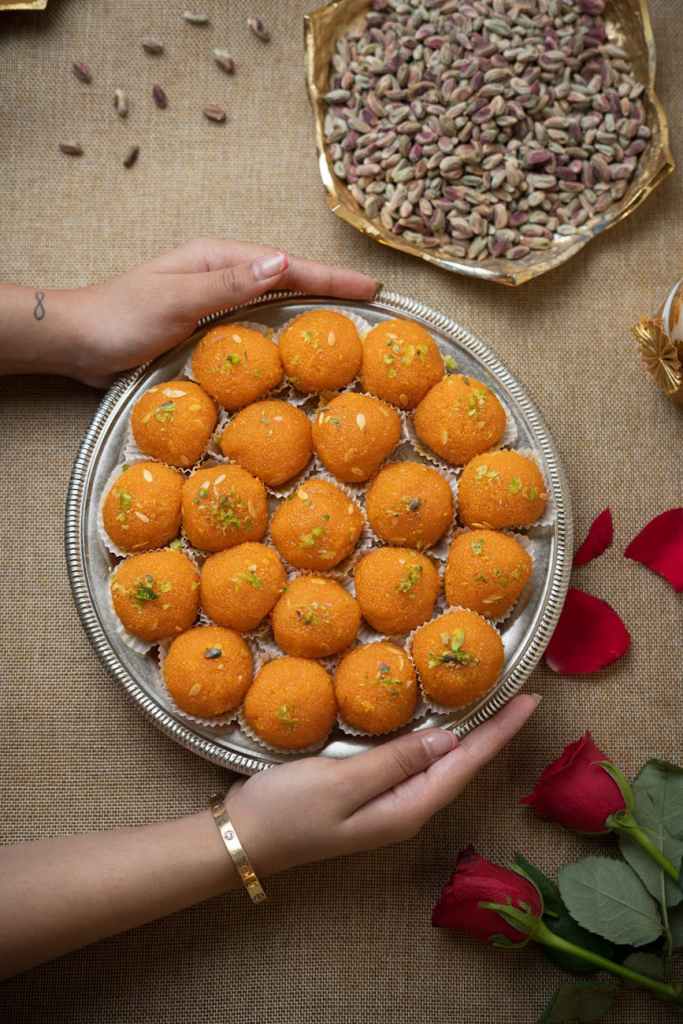
The favorite delight is laddu—a sweet treat cherished for its rich flavor and sentimental connection to celebrations and prayers. Yet, store-bought laddu often come with a downside: their excessive sweetness, laden with sugar that could contribute to health risks like diabetes or kidney issues, potentially leading to severe consequences such as heart attacks. This realization drives a shift toward crafting laddu at home, where the sweetness can be adjusted to personal preference.
By reducing the sugar content to half or even three-quarters of the original amount, a healthier version of this beloved treat emerges, just enough for the orange-roasted flour to bind into perfect laddus. This process opens the door to experimentation, tailoring sweetness to satisfy cravings without compromising health.
Homemade laddu become more than just a sweet indulgence; they represent a thoughtful balance between tradition and well-being. Whether made for offerings during prayers or to satisfy sudden urges for sweetness, these handcrafted delights carry a personal touch, blending culinary creativity with mindful consumption.
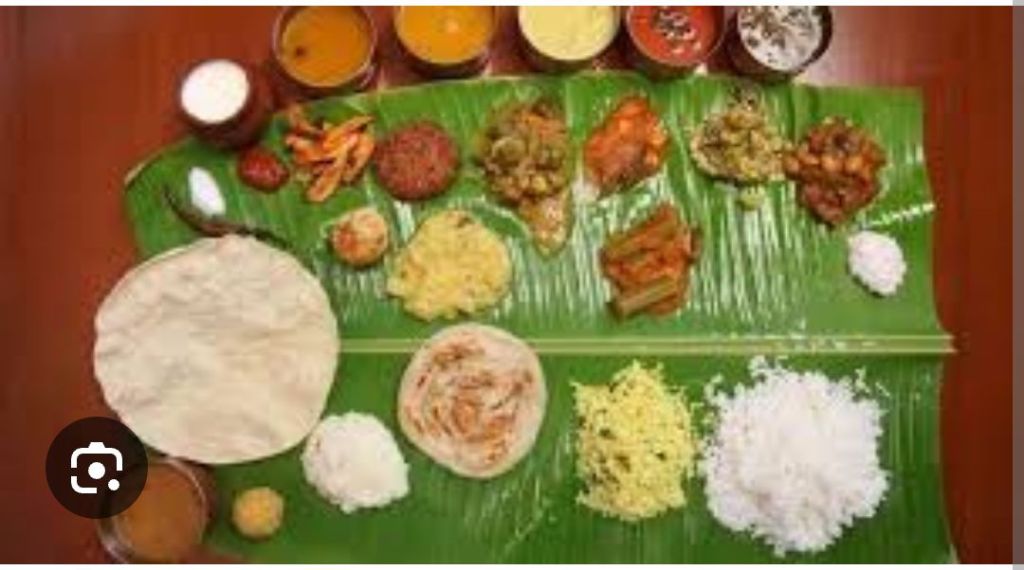
The Thali meal is more than just a traditional spread; it embodies the principles of Ayurveda, where the balance of flavors and nutrients aligns with one’s unique constitution—be it pitta, kapha, or vata—based on birth charts. This holistic approach to cooking ensures that the meal not only satisfies the taste buds but also nurtures overall health and well-being.
Rooted in the five sensory elements of taste—sweet, sour, salty, bitter, and pungent—the Thali meal offers a balanced way of eating that harmonizes the body and mind. Each dish in the Thali contributes to a holistic experience, carefully crafted to align with Ayurvedic wisdom, keeping the body in balance and promoting longevity.
This realization highlights the pitfalls of overindulging in processed foods, which are often linked to rising health issues and premature deaths. Instead, turning to the simplicity and wholesomeness of a Thali meal creates a profound difference. Not only does it reduce the reliance on harmful, processed ingredients, but it also fosters a deeper connection to mindful eating, celebrating the healing power of food prepared with care and intention.
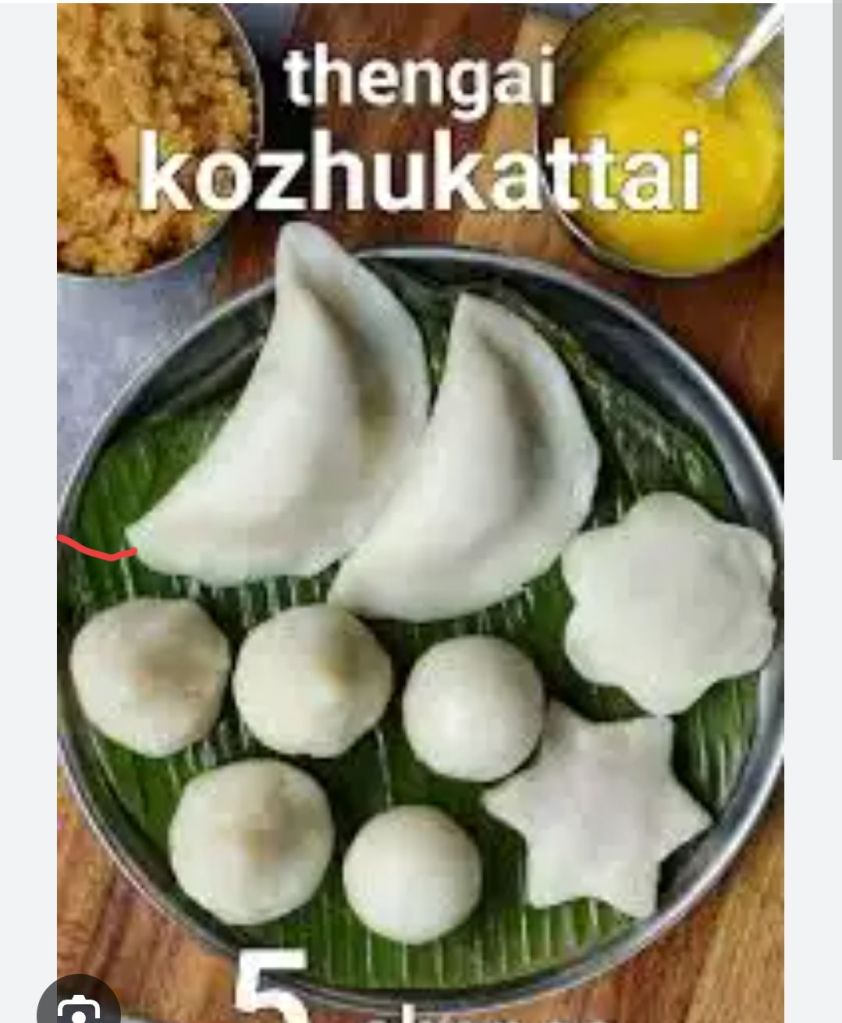
Modak, a delicacy made from rice flour filled with a mixture of coconut and jaggery, holds a complex place in my culinary journey. As a child, my distaste for this traditional sweet stemmed from the bitterness of poorly prepared fillings, leaving me with a deep aversion to it. The preparation process, often tedious and flawed, amplified my reluctance to embrace it.
However, as I grew older, I revisited modak with a fresh perspective, driven by a desire to reclaim this sacred treat in a way that suited my palate. Experimenting with variations, I chose to omit dhal from the filling, focusing instead on refining the coconut and jaggery blend to achieve a balance of sweetness without the bitterness. This reinvention not only rekindled my appreciation for modak but also transformed it into a personal offering.
In my experience, the modak transcends its role as a sweet. It symbolizes my eye drop heartfelt prayer to the God of obstacles, a request to guide me beyond the burdens of bitterness and into a space of sweetness and grace. Each bite becomes a reminder of growth, resilience, and the ability to redefine traditions in a way that resonates personally.

 JumpSoftware
Leave a reply to Siby Thomas Cancel reply