


What could you do less of?
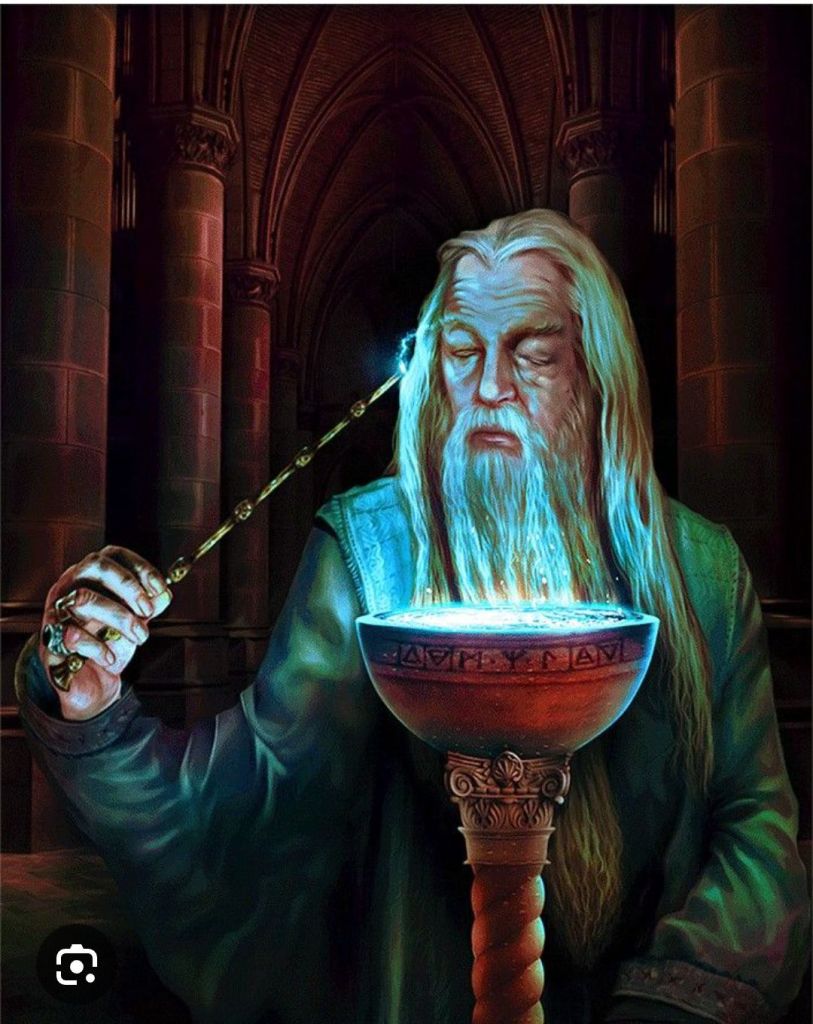
There is a strange power in the act of letting go. Like Dumbledore drawing silvery threads of memory into a bowl, I began to extract the deeply buried thoughts and emotions within me. The bowl wasn’t just a place to store memories—it was a sanctuary for truths too heavy to carry in my mind.
Each swirl of memory told a story of a battle fought, a lesson learned, and a part of myself reclaimed. As I uncorked the bowl, the floodgates of transformation opened. What lay ahead was a journey to not only unearth the past but to rewrite the future.
From the moment I could understand the world around me, one question haunted my existence: Why am I here? It wasn’t existential dread—it was a desperate yearning to find meaning in the chaos. Childhood was a theater of conflict, with my role firmly cemented as the unwilling observer in my parents’ battles.
The cracks in their relationship mirrored cracks within me. Yet, even as a child, I believed there was something greater waiting beyond the storm. I didn’t know it then, but every tear and every silence was sculpting the foundation for a deeper resilience, a blueprint for the person I was destined to become.
Throughout my life, three shadows followed me: the traitor, the pawn, and the scapegoat. These roles haunted my relationships, each one a mirror reflecting pain and mistrust.
The traitor was betrayal in disguise, teaching me to guard my heart. The pawn symbolized manipulation, forcing me to find my voice. The scapegoat was the weight of unfair blame, showing me the power of walking away. These weren’t just roles—they were teachers, albeit painful ones, guiding me toward boundaries and self-worth.
And though they left scars, they also left me with strength. I realized that understanding these archetypes wasn’t about judging others; it was about breaking free from the narratives they imposed.
Caught in the middle of conflicts, I learned early on the futility of choosing sides. Neutrality was my refuge, yet it also became a cage. It kept me safe but isolated.
Over time, I saw neutrality not as avoidance, but as wisdom. I learned to anchor myself in values rather than align with battles I didn’t believe in. Choosing no side allowed me to step back, see the bigger picture, and, most importantly, choose myself.
The moment I decided to remove toxic people from my life was like breathing fresh air after years in a suffocating room. It wasn’t easy—some relationships felt like anchors, holding me back even as they promised stability.
But as I let go, I realized the beauty of standing on my own. The void left by toxicity was soon filled with peace, growth, and a newfound sense of purpose. It wasn’t about rejection; it was about protection—choosing love over fear, light over shadows.
Rebuilding myself was less about grand gestures and more about small, consistent acts of love. I began by focusing on my physical health—moving, breathing, and stretching my body as if coaxing it back to life.
I rebuilt my mind through words, writing as though each sentence were a brick in the fortress of my new self. With every action, I whispered a mantra: I am worth the effort. Slowly, the pieces of me began to fit together, forming a picture of strength and possibility.
Change is a series of small decisions that compound into transformation. For me, even choosing what to eat or how to spend an hour felt monumental. But each choice was a step away from fear and toward freedom.
The secret? Planning with intention. I didn’t just think about change; I mapped it out. And while not every plan succeeded, each attempt brought me closer to the person I wanted to be. Change wasn’t a destination—it was a dance, one I learned to embrace.
For years, my reality was a storm cloud of negativity. But I discovered something profound: reality is malleable. By choosing gratitude, I rewired my mind to see possibilities instead of problems.
I started small, replacing every negative thought with a positive action. A compliment here, a moment of silence there—it all added up. As my perspective shifted, so did my world. What once felt like a prison now felt like a canvas, waiting for me to paint a brighter picture.
Relationships, once a source of pain, became a classroom for growth. I learned that trust no one, by trusting myself to do more research on myself —it’s about consistency. I discovered that boundaries are an act of love, not rejection.
I stopped chasing validation and started valuing connection. By letting go of toxic ties and nurturing meaningful ones, I found a balance between independence and intimacy. Each relationship became a mirror, reflecting not just who I was but who I could become.
The greatest epiphany of my journey was this: I am responsible for my existence. It wasn’t a burden; it was a liberation.
I stopped waiting for others to save me and started saving myself. Every choice, every action became a testament to my resilience. Responsibility wasn’t about control—it was about empowerment. It was about knowing that no matter what, I held to phone type my story.
As I sit here, typing with my hand, I see my life not as a series of tragedies but as a symphony of triumphs. Each scar, each stumble was a note in the melody of my transformation.
The bottle of memories I once clung to is now empty, its contents poured onto these pages. What remains is not the weight of the past but the lightness of possibility.
And so, my journey continues—not as a quest for improvement, but as a celebration of progress. I am the author of my reality, and every second is an opportunity to write a better story.
This is not just my story—it’s yours too. It’s for anyone who has ever felt trapped, lost, or broken. It’s a reminder that transformation is possible, that the power to change lies within all of us. What will I write, next?


2 responses to “Memoirs of the bowl”
Wow.
Exquisite work.
Thank you for sharing. Did you write this yourself?
LikeLike
Y
LikeLiked by 1 person