


What’s a thing you were completely obsessed with as a kid?
“You have a right to perform your prescribed duties, but you are not entitled to the fruits of your actions.”— Bhagavad Gita, Chapter 2, Verse 47
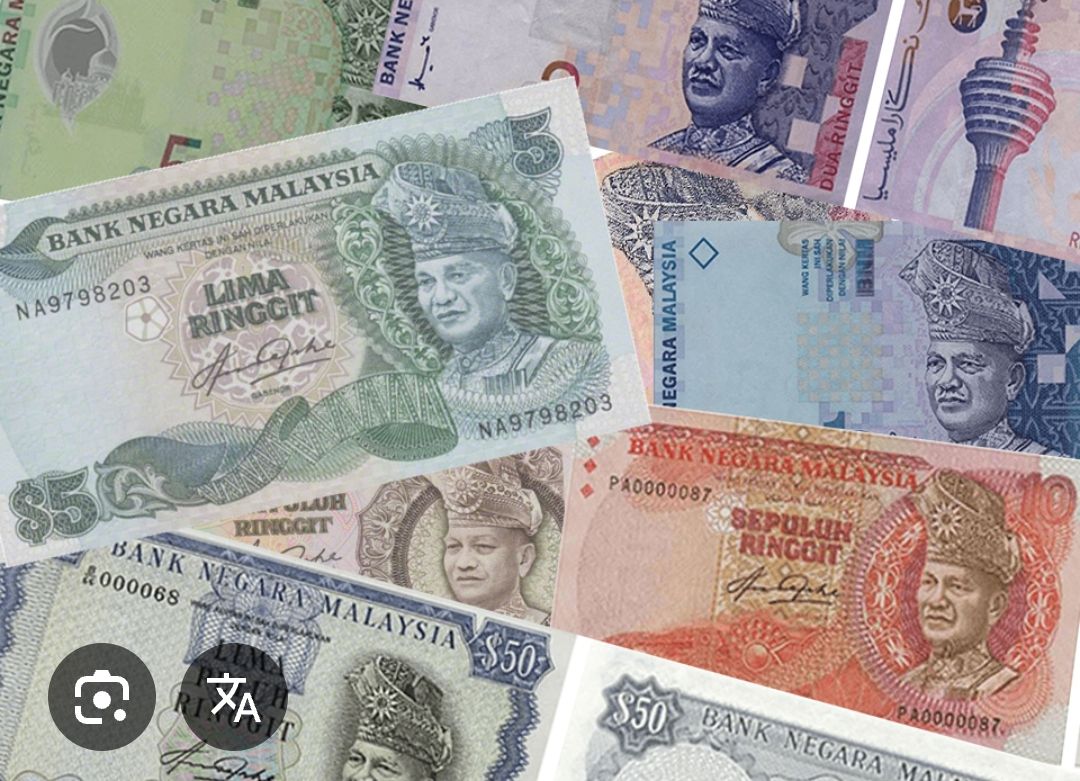
There once was a girl who believed treasure could stop time.She collected old coins and paper notes the way other children collected marbles or toy cars. Every coin shone like a tiny universe in his hands. Some had silver strips that glittered beneath the light, and on the back were proud symbols of nations — birds, towers, leaders, flowers, achievements of distant lands he would never see.To her, they were not money.They were memories.Every old ringgit note, every faded dollar, every worn coin carried a smell of history and mystery.
She stacked them carefully into boxes, envelopes, and hidden drawers. Years passed. The girl became a woman, but the collections remained.At fifty-four years old, she still guarded them like sacred relics.
One afternoon, curiosity whispered into her ear.
“What are these worth now?”
So he carried the old coins to a collector’s store. The dealer wore white gloves while examining them beneath a bright lamp. One by one, the coins were weighed, inspected, and judged.
The man learned something painful that day.The value was not merely in age.It was in condition.Uncirculated coins were precious because they had escaped the touch of the world. Crisp notes were valuable because they had not passed through thousands of careless hands.But his coins had lived.They were scratched, circulated, folded, stained by time and human use.
Like her.Still, she sold the collection.Not because it was worthless.But because something inside her had begun asking a larger question:
“What is the worth of holding onto things that cannot come with me when I leave this world?”
Yet another wound waited for him.For years she had also kept old paper notes from 1929 onward — ringgit and foreign currencies stacked quietly in hiding.
One day they disappeared. The helper had taken them and sold them, believing they were valuable enough to clear debts.
Anger rose in her like fire. She displayed all her belongings openly upon the bed, almost in challenge, almost in surrender.
“Go through everything,” she said bitterly.
But when he told his mother and sister, they answered differently.“You never kept your things properly.”
Their words cut deeper than the theft.
Still, after the rage faded, another realization entered quietly.
Those notes too were circulated paper.
Old paper clung to by collectors, dreamers, and sentimental fools hoping value would rise with time. And she asked himself again:
“Why am I suffering over paper that has already lived its life?”
Then memory opened another door.When she was a child, her baby sister had once fallen terribly ill. The family feared death sat near her cradle.
Her parents prayed endlessly at the temple, pleading for her life.And somehow, she recovered.In gratitude, her mom organized a great temple feast. Food was cooked in huge pots and given freely to devotees until nothing remained. Her father fed everyone with joy, forgetting to keep some for his own family.
Her mother became furious.
“All that hard work,” she cried. “Not even a portion for us.”
Trying to make peace, her father later bought vadas from a roadside shop.
But her mother refused them. “It is not the same.”
As a child, the girl watched this silently. And then, in the innocent foolishness children sometimes carry, she did something terrible.
Her father had a stamp collection begun at age seven — twenty-nine years of careful collecting. Tiny countries, kings, birds, wars, histories preserved inside fragile paper squares.The girl gave away part of that collection without understanding its meaning.
When her father discovered it, the beating came swiftly — blue-black bruises blooming across skin and memory alike. Years later, sitting alone with the pain of stolen banknotes, the woman finally understood.
Life had brought the lesson back to him in another form.
Not as revenge.
Not as punishment.
But as a mirror.
The grief she felt over her stolen collections was the same grief her father once carried in silence.
Instant karma, she thought bitterly.
But age slowly softened the sharpness of blame.
The coins were gone.
The notes were gone.
The stamps were gone.
Even the anger itself had begun fading like old ink left beneath sunlight.
What remained was something quieter.A woman sitting with prayer.Breathing through pain.
Practicing stillness through Isha Foundation practices and silent devotion, learning that release does not happen all at once.
Attachment leaves in layers, like autumn leaves surrendering one by one to the wind.
One evening she finally understood:
The real collection of her life had never been coins, stamps, or old currency.
It was lessons.
Lessons gathered painfully across decades.
Lessons about attachment.
About loss.
About memory.
About how tightly human beings cling to objects because they fear losing pieces of themselves.
And perhaps the greatest lesson of all:Even circulated things have lived stories worth honoring.
Including human beings.
“When a woman gives up all desires that emerge from the mind, and finds satisfaction within himself alone, then she is said to be truly wise.”— Bhagavad Gita, Chapter 2, Verse 55


You must be logged in to post a comment.