


If you could instantly master any skill, what would it be and why?
At the beginning of the Bhagavad Gita, the blind king Dhritarashtra asks:
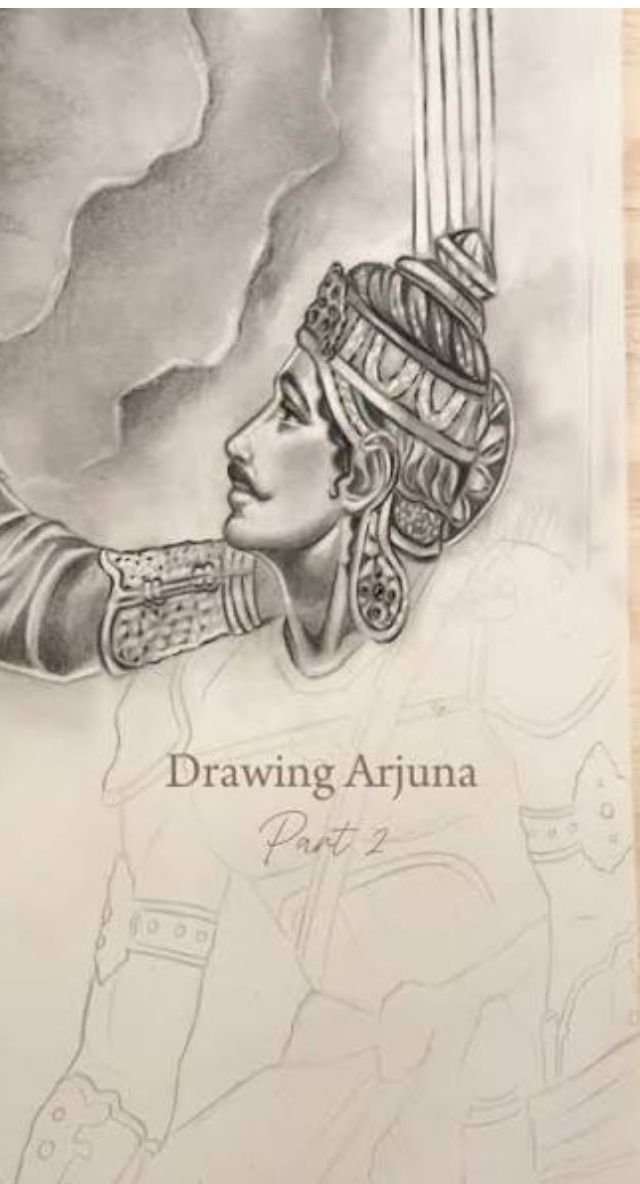
“Dharmakshetre Kurukshetre samaveta yuyutsavah; mamakah pandavas chaiva kim akurvata Sanjaya?”— Bhagavad Gita 1.1
On the field of dharma, the field of Kurukshetra, gathered together and desiring to fight, what did my sons and the sons of Pandu do, O Sanjaya?”
A seeker once sat beneath the quiet dawn after many days of practice. The question arose within him:
“If I could instantly master any skill, what would it be and why?”
He searched his mind for grand abilities. Should it be the skill to speak every language? To heal every illness? To earn great wealth? To persuade crowds? To become unmatched in knowledge?Then he remembered the battles within himself.
He had struggled with manipulation and the desire to control outcomes. He had known anger that burned hotter than wisdom, hesitation that froze action, fear that narrowed vision, and doubt that whispered, “You cannot change.”
Day after day, he trained his mind through sadhana and kriya, discovering that even a few seconds of stillness were victories.The answer became clear.
If he could instantly master any skill, it would be the mastery of his own mind.For what use is eloquence if anger rules the tongue? What use is wealth if greed governs the heart?
What use is knowledge if fear prevents right action?The one who masters the mind gains patience in provocation, clarity in confusion, courage in uncertainty, and compassion where resentment once lived.
Such mastery does not conquer others; it transforms oneself.The seeker realized that the greatest battlefield was not outside in the world.
It was the Kurukshetra within—the daily choice between impulse and wisdom, between reaction and understanding, between the lower self and the higher self.He bowed inwardly and continued his practice, not seeking perfection overnight, but returning again and again to awareness.
For the truest skill is not controlling the world.It is learning to govern oneself with steadiness, humility, and devotion to what is right.
And at the end of the Bhagavad Gita, Sanjaya declares:”Yatra yogeshvarah Krishno yatra Partho dhanur-dharah; tatra shrir vijayo bhutir dhruva nitir matir mama.”— Bhagavad Gita 18.78″
Wherever there is Krishna, the Lord of Yoga, and wherever there is Arjuna, the wielder of the bow, there will surely be prosperity, victory, well-being, and righteousness.
Such is my conviction.”So the seeker understood: when divine wisdom guides the mind and disciplined action follows, victory is already taking root within.
May this remind us that the most enduring mastery is not over circumstances, but over the self that meets them.


You must be logged in to post a comment.