


What’s the most annoying trope in books or movies?
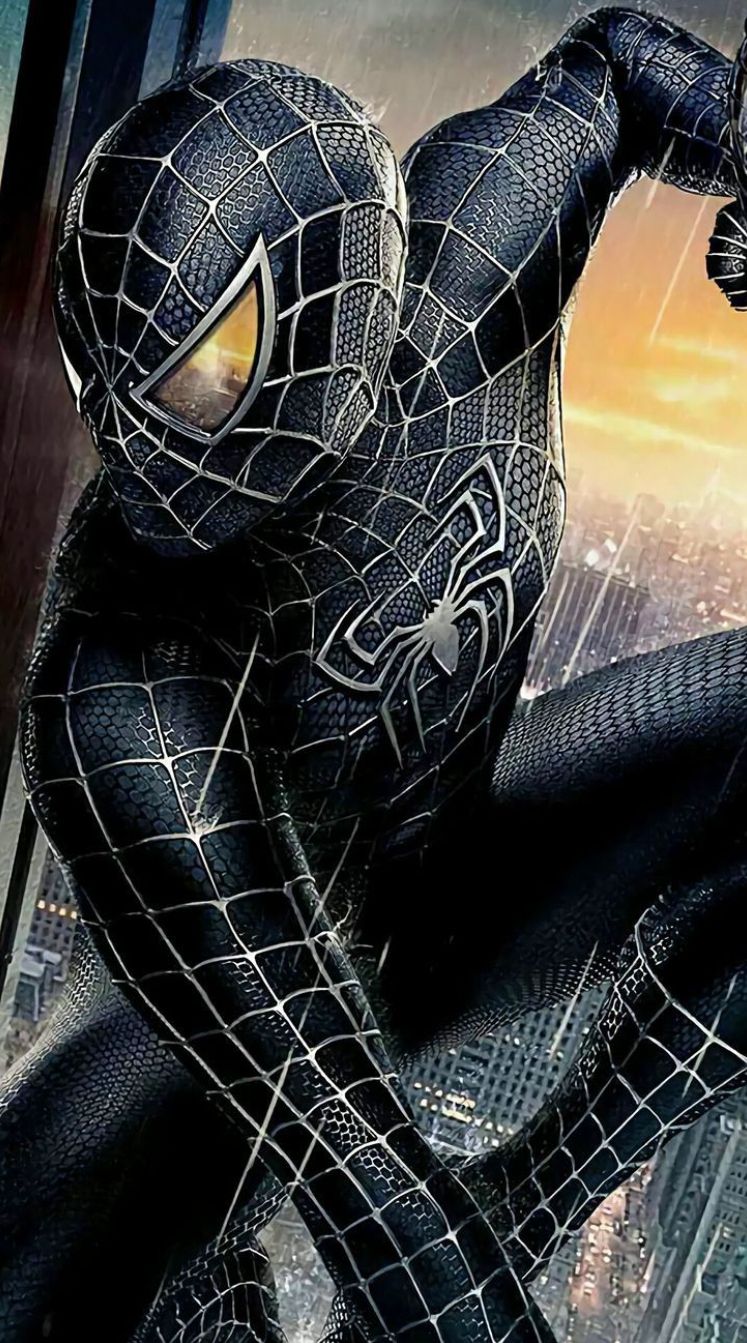
The most annoying trope to me is the lone hero who somehow believes that defeating a few villains will make the entire world a better place.Spider-Man. Batman. Superman. And countless other action heroes.
One person suffers, one person discovers extraordinary powers, puts on a costume, fights another person’s misery, receives society’s applause—and somehow the world is supposed to become better.
Seriously?
A spider bites a human being and suddenly we are expected to believe that science, destiny, or some mysterious mutation has transformed an ordinary person into a superhero. A laboratory experiment goes wrong, a human body becomes extraordinarily powerful, a costume appears, and suddenly one individual is responsible for saving millions.
What a load of garbage.
For decades, comic books and cinema have sold us the fantasy that one exceptional individual can carry the suffering of an entire civilisation on his shoulders.
But what happens after the credits?The villain is defeated.
The city is still broken.
People are still greedy.
Families are still fighting.
Children are still suffering.
Governments still struggle.
People still destroy one another.
And 99% of humanity simply wakes up the next morning and continues living in the same troubled world.That is the part nobody wants to show.
Perhaps the greatest fantasy is not that superheroes exist.Perhaps the greatest fantasy is that society can remain unchanged while one extraordinary person keeps cleaning up everyone’s misery.
I don’t want to be somebody’s superhero anymore.
I don’t want to carry everybody else’s suffering.
I don’t want applause for surviving battles that should never have been mine.
I have lived enough of that miserable world to understand that sometimes the real battle is not outside the body—it is inside the mind.
The Bhagavad Gita begins with a battlefield.
“Dharmakshetre Kurukshetre…”
The battlefield is not merely somewhere outside us. It can also become the battlefield of our own consciousness—the place where fear, anger, attachment, confusion and duty collide.
And perhaps that is where the superhero fantasy ends.
No spider bite is required.
No laboratory experiment.
No armour.
No cape.
No extraordinary costume.
The transformation begins when a human being learns to care for health rather than trying to carry everyone else’s suffering.That is why I am grateful for my Isha practices and prayer. I don’t need to save the world single-handedly.
I need to care for my health, protect my well-being, and keep working on the world within me, one day at a time.
The Gita ultimately turns the question away from
“How do I defeat everyone?” toward “How do I perform my action without being enslaved by its results?
”And at the end of the Gita, Krishna tells Arjuna:
“Yatra yogeshvarah krishno yatra partho dhanurdharah, tatra shrir vijayo bhutir dhruva nitir matir mama.”
Where Krishna, the Lord of Yoga, is present, and where Arjuna stands ready to act, there are prosperity, victory, well-being and steadfast righteousness.
Maybe that is the only kind of hero I still believe in:
Not the hero who defeats everyone outside himself, but the human being who refuses to neglect his own health and well-being.


You must be logged in to post a comment.