


What’s a mystery from your own life that you’ve never solved?
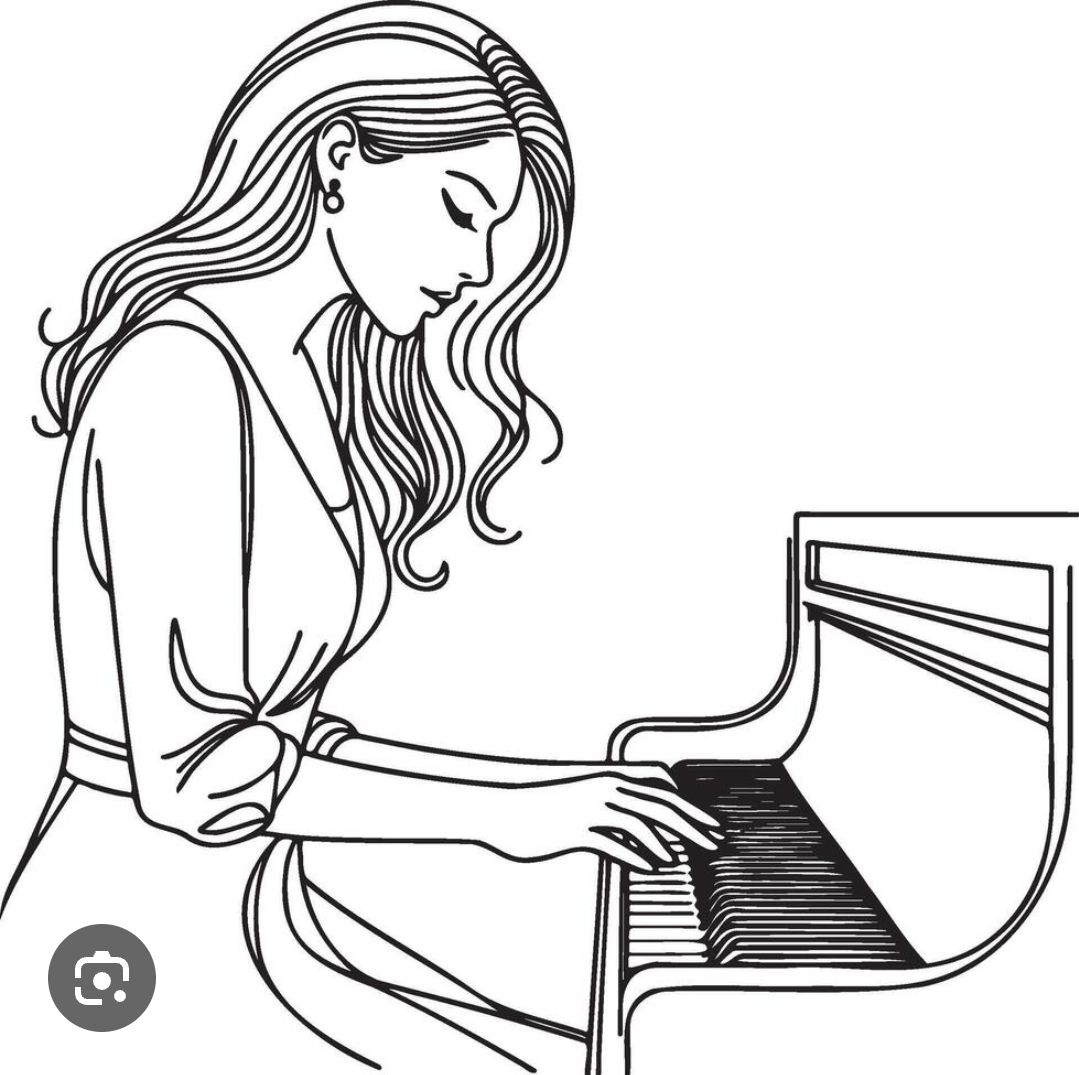
I once believed that clarity could be borrowed from others. I listened to advice, followed voices, and admired certain people, thinking they carried something I lacked. When Xandra spoke, I listened. When she played the piano from afar, the sound reached me—soft, distant, almost guiding.
It felt like meaning was hidden in those notes.But when the advice backfired, I was left alone with the consequences. The music that once felt calming became something else—an echo that no longer gave direction. That was when the blame game began: blaming others for leading me wrong, and blaming myself for trusting too easily.
Yet the real struggle wasn’t outside. It was inside my own mind.It felt like standing in a storm of thoughts, a constant gust of negativity that didn’t even feel like mine. The distant piano would still play, but now it mixed with the noise in my head.
I couldn’t tell what was real guidance and what was just projection. Every thought came with force, and I could not separate truth from influence.
That confusion mirrors the opening of the Bhagavad Gita:“My limbs fail and my mouth is parched… my mind is reeling, and I see adverse omens.” (Chapter 1, Verse 30)
So I stopped searching outside—even for the music.Instead, I turned inward. Every negative thought that appeared, I questioned it: Is this mine? Or something I’ve absorbed? I stopped reacting to every sound, every idea, every influence.
Even the piano, once something I followed, became just a sound—something I could hear without attaching meaning to it.In that observation, something shifted.I realized: I am not the mind. I am the one who hears it, the one who sees it, the one who can remain still even when everything else is moving.
The storm didn’t disappear overnight. The piano didn’t stop playing. But neither controlled me anymore.Blame began to fade. Admiration faded too—not from bitterness, but from clarity.
There was no point placing others above me if it only pulled me away from myself. The mirror became enough—not as ego, but as responsibility.Slowly, the noise separated from the truth.Slowly, the mind became quieter.Slowly, stillness appeared.
And that state reflects the closing of the Gita:“My delusion is destroyed, and I have regained memory through Your grace. I stand firm, free from doubt, and I will act according to Your word.” (Chapter 18, Verse 73)
This is no longer about following voices, or chasing distant music.The piano may still play from afar.But I no longer follow it.I listen, I observe, and I remain still.
In the end, I return to the mirror—not to admire, not to blame, but to understand.And in that understanding, there is clarity.


You must be logged in to post a comment.