


Which author would you love to have dinner with?
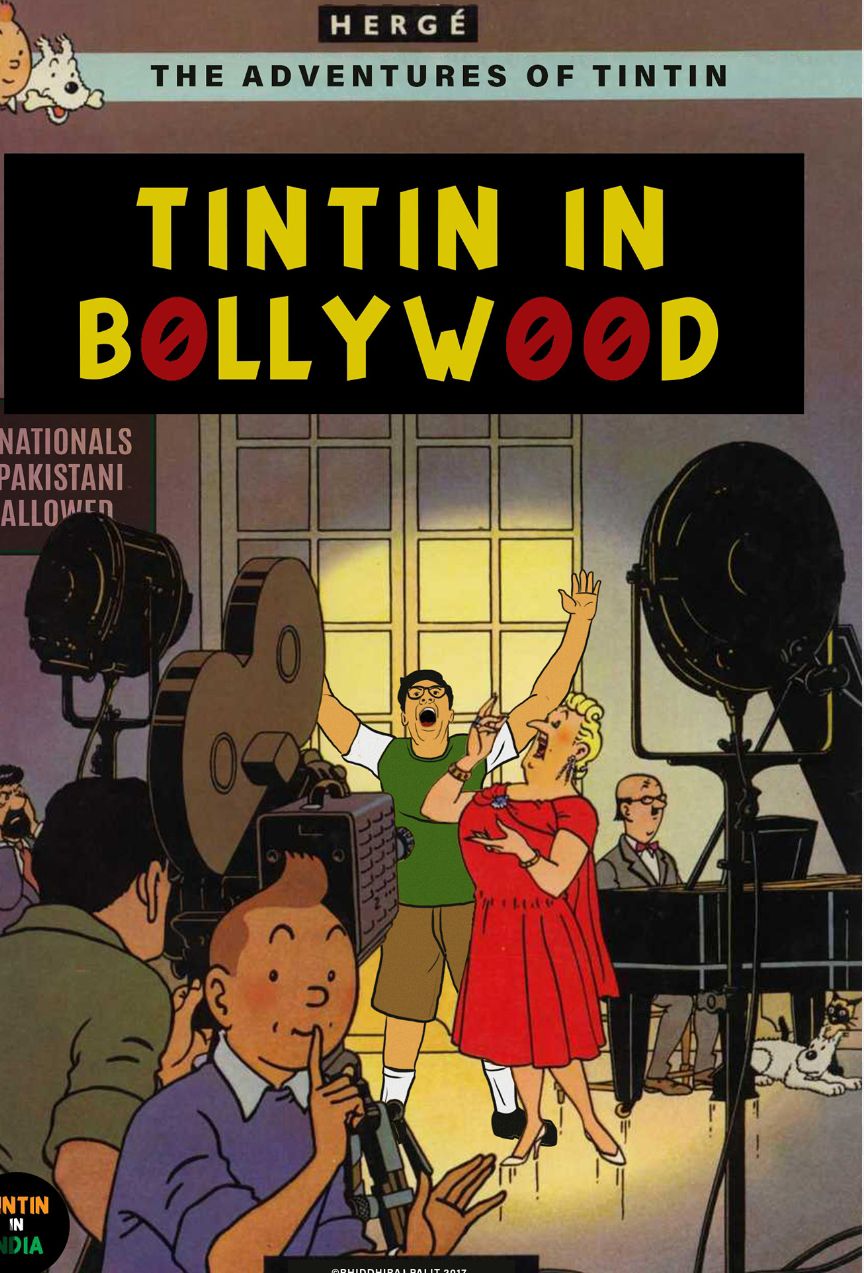
If I could have dinner with any author, I would choose Georges Prosper Remi, better known as Hergé, the Belgian creator of The Adventures of Tintin. Sadly, he died in 1983, so this dinner could only happen in my imagination.
I would sit across the table from him and ask, “How did you create Tintin, a young reporter who seemed to travel to almost every corner of the world?”
One of the fascinating inspirations behind Tintin was Palle Huld, a 15-year-old Danish Boy Scout. In 1928, Huld won a newspaper competition that sent him travelling around the world alone in just 44 days. His red hair, plus-fours and widely publicised journey caught Hergé’s attention shortly before Tintin appeared in 1929.
But what fascinates me even more is how Hergé could create such convincing adventures without personally travelling around the world himself.
He relied heavily on research, including National Geographic magazines, newspapers, books, photographs, maps and other geographical material. These sources gave him visual details about distant countries, cultures, landscapes, buildings and people, which he then transformed through his own imagination into Tintin’s adventures.
I would love to ask him how he sat at his drawing board, looking at photographs and reading about places he had never visited, and somehow turned those pieces of information into stories that made readers feel as if they were travelling alongside Tintin.
That is what makes Hergé’s work so fascinating to me. You don’t necessarily have to travel the world to create a world. Sometimes research and imagination can take you further than a passport ever could.He was not simply writing stories.
He was an illustrator, comic artist and graphic storyteller who took real-world information and transformed it into vivid adventures. National Geographic could show him a landscape, a city or a distant culture; Hergé could then turn that image into a mystery, a chase or an extraordinary journey for Tintin.
No wonder Tintin became legendary and remains a classic, printed and reprinted for generations. The real adventure may have begun with a young Danish traveller like Palle Huld, but Hergé’s imagination carried Tintin far beyond that original inspiration.
If I could have one final question at dinner, I would ask:“When you were reading National Geographic and studying all those photographs and places, did you ever imagine that your drawings would eventually make millions of people feel that they had travelled the world with Tintin?”
The Bhagavad Gita reminds ”You have a right to perform your duty, but not to the fruits of your actions.
Perhaps Hergé simply did what he knew best—research, draw, imagine and create—without knowing how far his creation would travel.
And perhaps that is the magic of creativity: one person can remain behind a drawing board while sending an entire generation around the world.
As the Gita says at the end:
”Wherever there is Krishna, the Lord of Yoga, and wherever there is Arjuna, the archer, there will surely be prosperity, victory, greatness and righteous action.
Hergé may have left this world in 1983, but the young reporter he created never stopped travelling.


2 responses to “Dinner with Georges Prosper Remi”
You don’t necessarily have to travel the world to create a world – what a powerful takeaway. The connection to the Gita about focusing on the duty of creation rather than the outcome, truly incredible read.
LikeLike
Thank you
LikeLiked by 1 person