


Which author would you love to have dinner with?
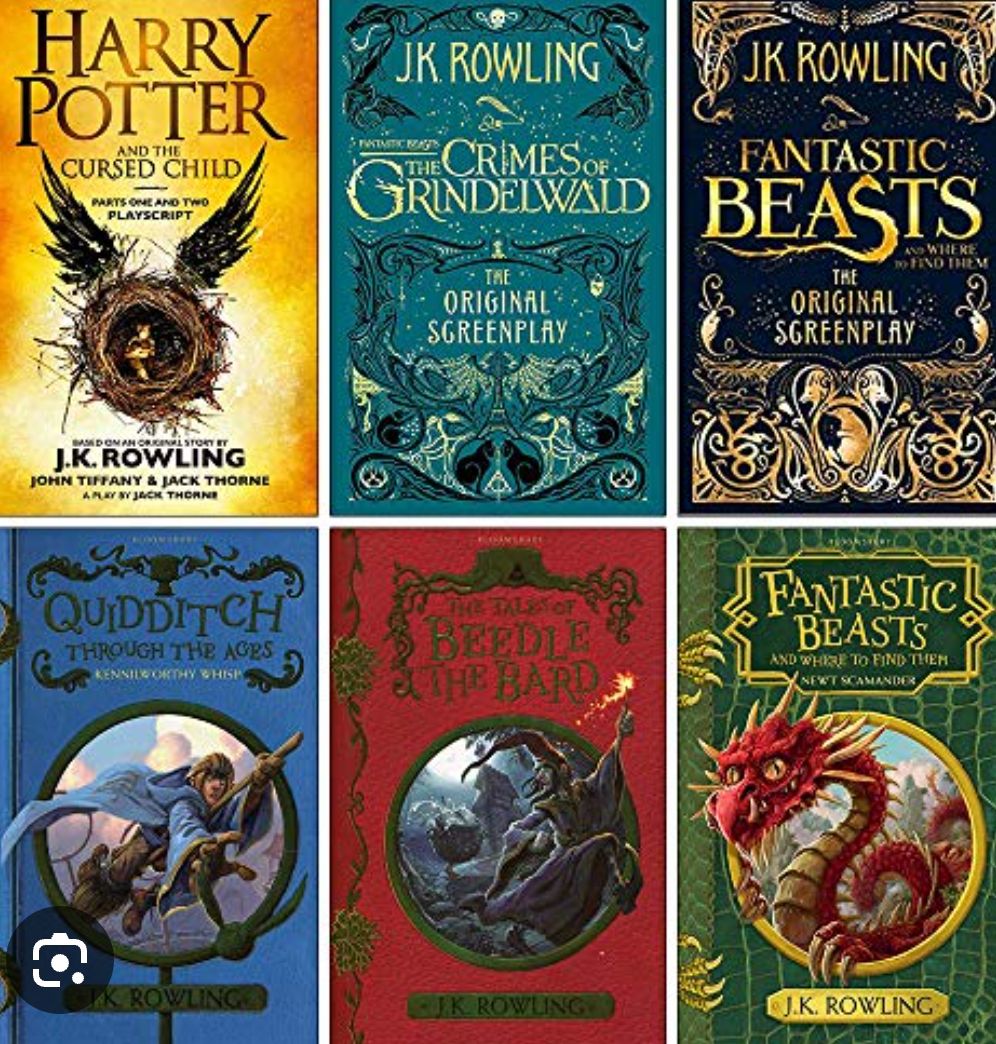
If I could choose any author to have dinner with, I would choose J. K. Rowling.I would not sit across the table from her just to ask how she created Harry Potter.
I would want to ask her something much more personal: how did she turn the difficult parts of her own life into such a vivid world of castles, witches, wizards, goblins and battles?
Sometimes I wonder whether the people who made life difficult for her became characters in disguise.
Perhaps someone who caused her pain became a difficult teacher. Someone powerful became a Ministry official. Someone she once disliked became a witch or wizard.
Maybe even the ordinary people she met—shopkeepers, friends, teachers and strangers—were quietly collected by her imagination and transformed into another world.And perhaps her school memories stayed somewhere inside her.
The friendships. The loneliness. The difficult people. The moments she wished she could escape from. Instead of allowing those memories to disappear, she may have taken them into her imagination and rebuilt them into Hogwarts.That is what fascinates me.
Her imagination did not simply create characters. It created an entire universe. Castles appeared where there were once ordinary buildings. Goblins appeared where there were once ordinary people. Magical shops appeared where there were once ordinary streets. Teachers became mysterious figures, and childhood fears became creatures that could be confronted.
What began as words on paper eventually became a world that children, teenagers and adults could see on the cinema screen.
So, if I were having dinner with Rowling, I would probably spend less time asking about the success of the books and more time asking about the life behind the imagination.
I would ask her:
“When you were writing those stories, were you escaping from your difficult past—or were you secretly transforming it into something beautiful?”
The Bhagavad Gita begins with Arjuna standing in the middle of his own confusion, looking at everything that has brought him to that moment:
“Seeing my own people arrayed and eager for battle, my limbs fail me, my mouth is parched…”— Bhagavad Gita 1.29
Perhaps that is where every great story begins—not with magic, but with difficulty, confusion and a human being trying to understand what to do next.
And the Gita ends with Arjuna no longer trapped by his confusion:
“My delusion is destroyed, and I have regained my memory through Your grace. I stand firm, with my doubts dispelled, and will do as You say.”— Bhagavad Gita 18.73
Maybe that is the real magic of storytelling: taking the difficult chapters we have lived through and turning them into something that gives another generation the courage to imagine a different world.


You must be logged in to post a comment.